A Comprehensive Guide to Smart Tech Advancements This Year
As technology continues to evolve, the landscape of smart homes and devices is transforming at an unprecedented pace. Consumers are increasingly seeking solutions that enhance convenience, security, and efficiency in their daily lives. This comprehensive guide will explore the latest advancements in smart tech, focusing on key areas such as AI trends, wearable technology, and innovative gadgets that are shaping the future of our homes.
Future of Smart Homes
The future of smart homes is bright, with an expected market growth from $80 billion in 2022 to over $135 billion by 2025. This growth is driven by the increasing adoption of IoT devices that allow homeowners to control various aspects of their living environment remotely. Smart thermostats, lighting systems, and security cameras are just a few examples of how technology is making homes more efficient and secure.
Moreover, the integration of AI in smart home devices is enhancing user experience by providing personalized automation. For instance, smart speakers can learn user preferences over time, adjusting settings based on individual habits. This level of customization not only improves convenience but also contributes to energy savings, making smart homes a sustainable choice for the future.
AI Trends and Insights
Artificial Intelligence is at the forefront of technological advancements, with a significant impact on various industries, including smart home technology. Recent studies indicate that 61% of consumers are interested in AI-driven solutions that can simplify their lives. This growing interest is prompting manufacturers to invest heavily in AI capabilities, resulting in smarter devices that can anticipate user needs.
Key Insight: As AI technology continues to advance, we can expect a surge in devices that offer predictive analytics, enabling users to make informed decisions about their home environments. For example, AI can analyze energy consumption patterns and suggest optimal usage times, ultimately leading to cost savings on utility bills.
Tech Comparison Guides
With the plethora of smart devices available, consumers often face challenges in choosing the right products for their needs. Tech comparison guides serve as valuable resources, providing insights into the features, benefits, and drawbacks of various devices. By comparing specifications, prices, and user reviews, potential buyers can make informed decisions that align with their lifestyle and budget.
Additionally, these guides can highlight the latest innovations in technology, ensuring consumers are aware of the best options available. For instance, a comparison between different smart security systems can help users identify which features are essential for their safety and peace of mind, ultimately leading to a more secure home environment.
Software Update Alerts
Keeping smart devices updated is crucial for maintaining security and functionality. Software update alerts are essential for users to ensure their devices are equipped with the latest features and security patches. Recent statistics show that 30% of consumers neglect to update their devices regularly, leaving them vulnerable to security threats.
By providing timely alerts and easy access to updates, manufacturers can enhance user trust and satisfaction. This proactive approach not only protects users but also improves the overall performance of smart devices, ensuring they operate at peak efficiency.
Wearable Technology Updates
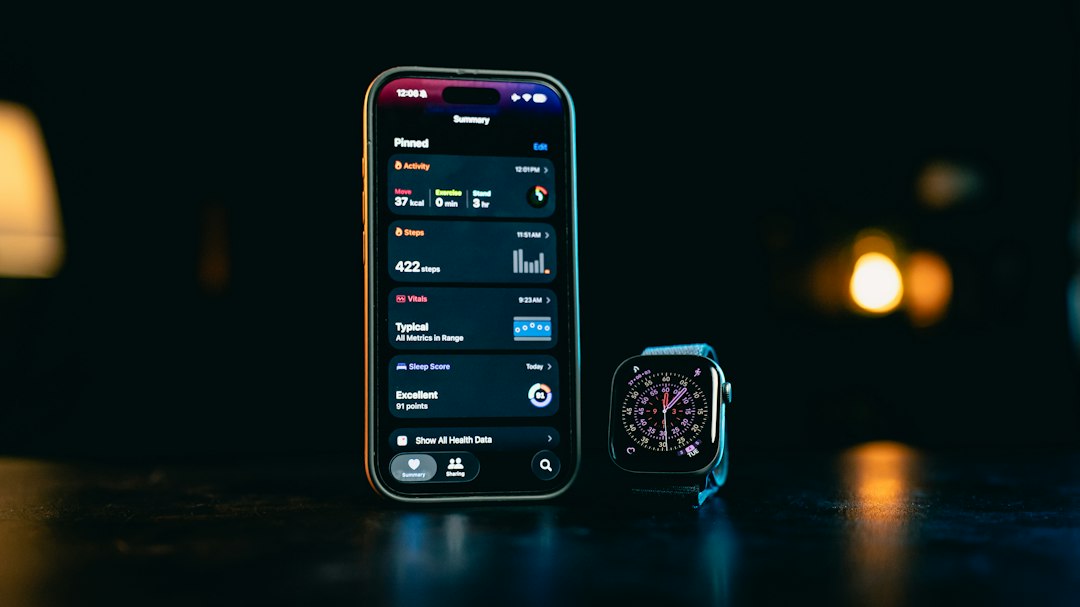
Wearable technology is another rapidly growing segment of the smart tech market, with an estimated value of $60 billion by 2025. Devices such as smartwatches and fitness trackers are becoming increasingly popular as consumers seek ways to monitor their health and fitness. These wearables offer features like heart rate monitoring, sleep tracking, and activity logging, empowering users to take control of their health.
Moreover, the integration of wearables with smart home systems is creating new possibilities for automation. For example, a smartwatch can communicate with smart home devices to adjust lighting or temperature based on the user’s location. This seamless connectivity enhances the overall user experience, making technology an integral part of daily life.