The Role of Smart Technology in Modern Home Automation
In today’s fast-paced world, smart technology is revolutionizing how we interact with our homes. The integration of smart devices into home automation systems not only enhances convenience but also improves energy efficiency and security. As homeowners seek to simplify their lives, understanding the role of smart technology becomes essential for making informed decisions about home automation.
Understanding Smart Home Automation
Smart home automation refers to the use of technology to control various home systems and devices remotely. This includes lighting, heating, security systems, and appliances, all of which can be managed through a central hub or smartphone app. By automating these systems, homeowners can create a more efficient living environment that responds to their needs and preferences.
One of the key benefits of smart home automation is the ability to monitor and control devices from anywhere. For instance, you can adjust your thermostat while at work or check security cameras while on vacation. This level of control not only enhances comfort but also provides peace of mind, knowing that your home is secure and energy-efficient.
Benefits of Smart Technology
The primary advantage of incorporating smart technology into your home is the convenience it offers. Imagine arriving home to a well-lit, climate-controlled environment without having to lift a finger. Smart devices can learn your habits and preferences, adjusting settings automatically to suit your lifestyle. This not only saves time but also enhances your overall living experience.
Additionally, smart technology can lead to significant cost savings. Smart thermostats, for example, optimize heating and cooling schedules based on your daily routines, reducing energy consumption and lowering utility bills. Furthermore, smart lighting systems can be programmed to turn off when not in use, contributing to a more sustainable home.
Addressing User Needs and Motivations
Homeowners today are increasingly motivated by the desire for efficiency, security, and convenience. Smart technology addresses these needs by providing solutions that simplify everyday tasks. For instance, smart locks allow you to grant access to guests remotely, eliminating the need for physical keys and enhancing security.
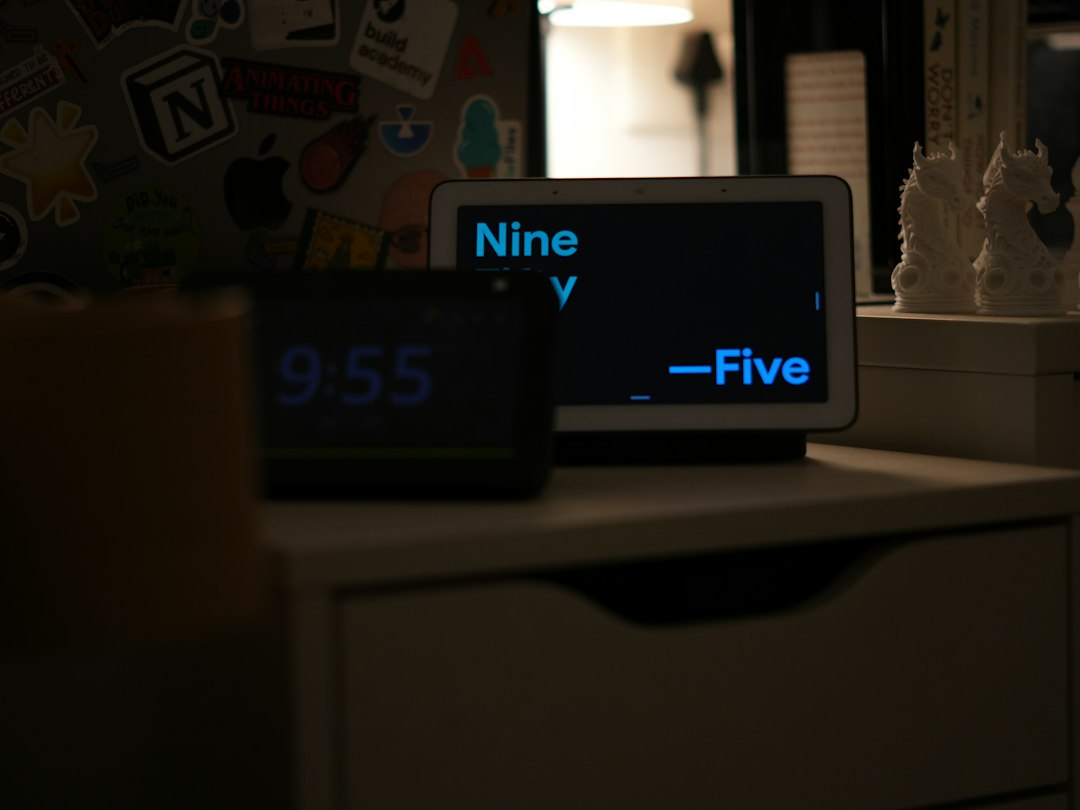
Moreover, the integration of voice-activated assistants into smart home systems has transformed how we interact with technology. By simply speaking commands, users can control various devices, making home automation accessible to everyone, regardless of technical expertise. This ease of use is a significant factor in the growing popularity of smart home solutions.
Checklist for Smart Home Integration
To successfully integrate smart technology into your home, consider the following checklist: assess your current needs, research compatible devices, and create a budget. By evaluating what you want to achieve with home automation, you can prioritize which systems to implement first. Researching devices ensures compatibility and functionality, while budgeting helps you make informed purchasing decisions.
Additionally, consider starting with a central hub that can connect various devices. This allows for seamless integration and control from a single app, enhancing the overall user experience. As you become more comfortable with smart technology, you can expand your system to include additional devices and features.
Future Trends in Smart Home Technology
The future of smart home technology is promising, with advancements in artificial intelligence and machine learning paving the way for even more sophisticated automation solutions. As these technologies evolve, we can expect smarter devices that anticipate our needs and preferences, creating a truly personalized living environment.
Furthermore, the growing emphasis on sustainability will drive innovation in energy-efficient smart devices. Homeowners will increasingly seek solutions that not only enhance convenience but also contribute to a greener planet. By staying informed about the latest trends and innovations, you can ensure that your home remains at the forefront of smart technology.